If the idea of fighting a huge fish in the open water while armed with nothing but your rod, your strength, and miles of ocean surrounding you sounds challenging and awe-inspiring, then it’s time to start seriously considering Deep Sea Sport Fishing. It’s a combination of adrenaline and skill, patience and deflection, standing on a boat with the horizon open wide, waiting for your reel to scream.
Whether you are ducking into the boat for the first time or finally rising from pier fishing to inshore, this guide is designed to make sure you have everything you need to dive into your adventure confidently.
Why Deep Sea Fishing Hits So Differently
There’s a certain magic to traveling miles offshore, to kissing goodbye the placid shallows and moats along the coast and stepping off into that big-water mindset. It’s raw, unpredictable, and thrilling. The ocean is fickle, and so too the action. One minute you’re cruising, then the next you’re doing battle with a fish that feels like it could pull you out of the boat.
It is that alchemy of struggle and reward that makes people fall in love with it.
Step One: Select Your Charter Crew Carefully
You live or die by your captain and crew. An experienced team handles navigating offshore waters, monitoring weather and safety, reading currents and locating fish, teaching techniques, handling gear and baiting, and acting as your personal trainer for the big-fish fight.
A great crew doesn’t just operate the boat; they guide, teach, and protect you while maximizing your chances of hooking into something unforgettable.
If you are new to offshore fishing, choose a half-day or full-day trip specifically designed for novices. These journeys come with instruction, demonstration, and ample support, allowing you to relax and focus on having a great time.
How to Prepare Like a Pro
Preparation makes or breaks your entire trip. Here’s what master anglers never leave home without: high-SPF sunscreen, polarized sunglasses for glare reduction, a hat or buff, non-slip shoes, a waterproof phone pouch, a jacket (open water is windy), and motion sickness medication (even if you don’t think you will need it).
You want to be comfortable, protected, and prepared for whatever the sea hurls your way.
Offshore Equipment & Method Basics
When you fish deep water, you’re fishing for powerful pelagic and reef species, so the gear goes up a notch in strength.
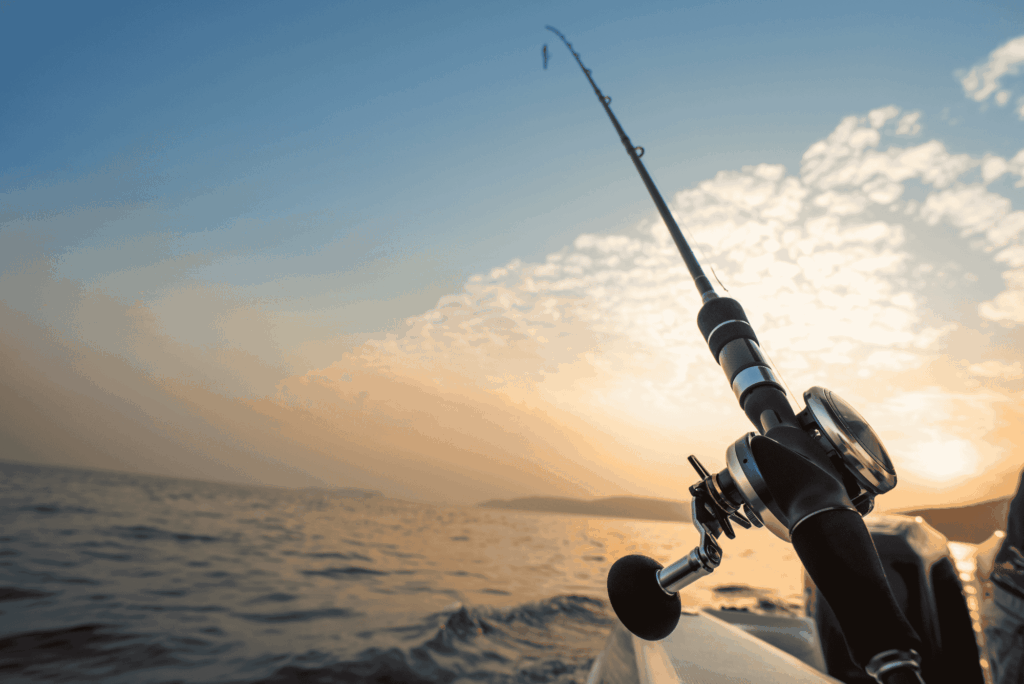
Rods & Reels
Charters typically supply heavy-duty boat rods, large reels with powerful drag systems, braided or mono main lines, and tough fluorocarbon or wire leaders.
These rigs are designed for powerful, fast-running fish and long battles.
Trolling
This is basic offshore work. Lures or baits are trolled behind the boat to simulate escaping prey. It’s your chance against swift predators. Expect explosive hits from mahi, tuna, wahoo, and billfish. When your reel is screaming, you grab, harness in, and hang on.
Bottom Fishing
Perfect for beginner anglers. This is where you will drop bait directly down to structure, such as a reef or ledge. You may hook snapper, grouper, and amberjack. They hit like a maul, dig to the bottom, and test your technique right off the bat.
Jigging
Fast. Aggressive. Intense. You let down a big ol’ metal lure, then work it vertically for reaction bites. Perfect for aggressive predators that feed on instinct.
Your crew will lift you whether you’re jigging, bottom fishing, or trolling. Hands-on offshore trips are beginner-friendly and very rewarding.
Where the Ocean Comes to Life: Offshore Hot Spots
The ingredients of the best destinations are similar: cost-effective access to deep water without extensive travel times, healthy submerged structures (reefs, pinnacles, drop-offs), strong current lines that concentrate bait and predators, and seasonal movements of some trophy species.
Some areas with bustling ecosystems just offshore can be home to tuna, marlin, sailfish, mahi, wahoo, grouper, and snapper.
Some locations provide year-round action while others have seasonal peaks influenced by water temperature and bait movement. When you’re out on a charter that offers an experienced captain, they’ll know what’s biting and where.
Your First Trip: What to Expect
Expect excitement. Expect surprises. Look for scenes in which the boat blows up because somebody’s hooked into something massive.
When that rod bends, keep tension, listen to the crew’s coaching, let the drag do its job, and pace yourself. Big fish take time.
It’s a workout, a strategy, and chaos all in one… in the best way.
And the first time you bring your offshore fish over the rail? It’s unforgettable.
FAQs: Deep Sea Fishing Essentials
Is deep-sea fishing beginner-friendly?
Absolutely. Most of these offshore trips are intended for all levels, and crews handle gear and baiting, as well as coaching.
Will I get seasick?
Possibly. Even experienced anglers sometimes do. I take a motion sickness tablet the day before and morning of your trip=Life saver.
Should I bring my own gear?
No, Charters provide rods, reels, tackle, and bait. Bring personal items only.
How long are typical trips?
Typical choices range from half-day to full-day and overnight offshore trips. And more time typically means bigger opportunities.
Is offshore fishing safe?
With a reputable charter and trained crew, yes. They keep an eye on weather conditions, safety protocols, and equipment at all times.
Why People Are Hooked on Offshore Adventures
The true magic of offshore fishing isn’t catching fish, it’s the sense of being a part of something grander. The highlight of the open ocean is that it makes you feel small, it pushes back, yet offers memories that never escape.
With a strong crew booking trip, coming prepared and eager to learn, your initial deep-sea outing could become your latest obsession.