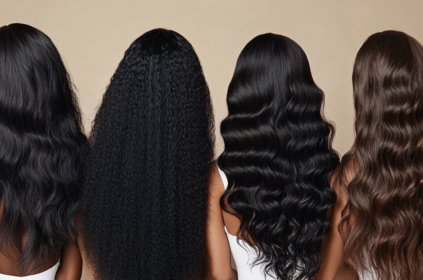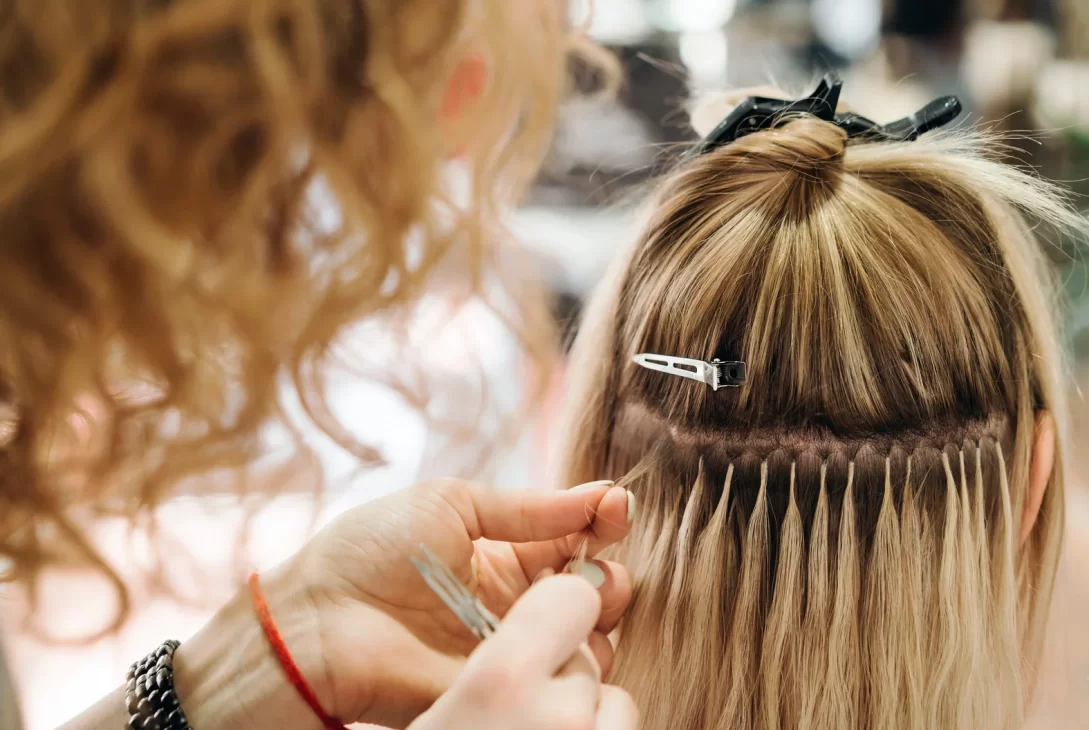
Hair extensions have a bad reputation, and we are here to put an end to that! And, the truth is, most of their bad rep comes from horror stories like DIY installs or inexperienced hands. The reality is much less glamorous. When applied by a professional using proper methods and quality hair and maintenance, damage to your natural hair is minimal, if any. The extensions can also help save the ends of your delicate hair, as the rest of your natural hair grows under.
If you’ve ever googled Hair Extensions Near Me, you may have found yourself asking: Will this ruin my real hair? Let’s hash it out straightforwardly, honestly, and without the bullshit.
Professional Application is the Key!
Valid stylists don’t “add hair.” They assess the health of your scalp, hair density, growth patterns, and lifestyle before suggesting an extension method. This assessment step is crucial. Not all types of extensions will suit each head of hair, and professionals know how to select lightweight, low-tension options that won’t strain your follicles.
These methods, like tape-ins or hand-tied wefts, are popular because they’re evenly distributed and sit off the root.” This is to prevent tension-induced problems, such as breakage and traction alopecia. Qualified practitioners also steer clear of excessive heat and perform patch tests for adhesives to ensure there is no irritation or the presence of allergens.
If installed correctly, they grow naturally with your hair rather than against it—and that’s where safety starts.
Training and Certification Requirements
A certified stylist has completed extensive education in extension methods and related topics, including hair science and scalp health. They know what weight your particular hair can handle and how to position it for long-term growth.
This knowledge difference is why a certified Hair Extension Specialist is different than someone playing with hair without the proper training. Trained professionals also keep up with industry best practices, so you’re more likely to receive today’s hair-safe techniques, not yesteryear’s damaging ones.
Common Causes of Damage and How Pros Prevent Them
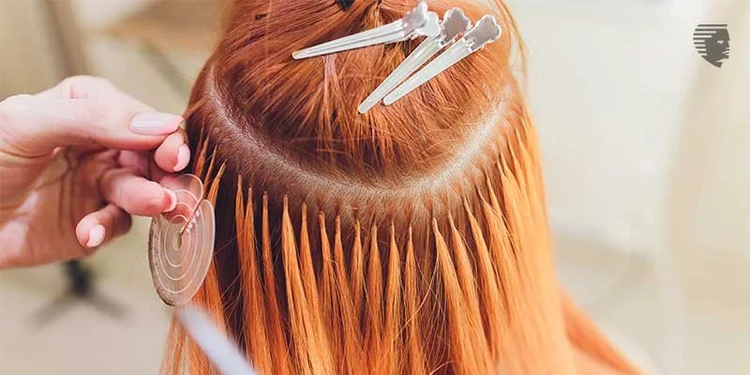
Hair extension damage is not a one-time thing. It generally stems from just a few avoidable errors that the kind pros learn not to make.
One of the more common problems is going too long between wear or maintenance of your extensions. Discontinuation or removal is necessary in the majority of cases, around 6-8 weeks. Experts recommend regular touch-ups to prevent matting, tension, or buildup near the bonds.
Another issue is tight installation. Unreasonably tight braids and heavy wefts stress the scalp. Still, experienced stylists alleviate this by properly parting and placing extensions while gauging tension based on how well you can tolerate it and what your hair can handle.
Low-quality hair is another culprit. Fake ads often knot, fall out, and break real hairs. High-quality human hair is used to resemble natural growth direction and minimise friction and hair breakage.
Preservation: The Key to Zero Loss
After all, even the best installation requires aftercare. Every client will receive thorough instructions to ensure their extensions are cared for properly without damaging their natural hair.
This usually involves incorporating mild sulfate-free shampoos, avoiding heavy oils near the bonds, and brushing gently, starting at the bottom, to reduce tugging. Air-drying as often as you can and getting frequent trims (every 4-6 weeks) also help keep the extension hair and natural hair healthy.
If you follow these guidelines, your natural hair will continue to grow as it would before — and for shady extensionists who claim this is not the case, clients discover their ends are often much better off because they don’t have daily heat styling and thousands of fingers running through them.
Do Extensions Even Protect the Natural Hair?
Surprisingly, yes. Extensions can serve as a protective style for clients experiencing breakage or split ends. They help to keep heat styling and over-brushing on delicate ends to a minimum by adding length and fullness.
With extensionist care installed and maintained correctly, in the hands of your stylist, extensions can provide a low-manipulation routine that encourages healthier hair habits.
The Importance of Honest Consultations
Honesty is one of the few signs that indicate a genuinely professional stylist. A certified expert will tell you “no” if your hair isn’t ready for extensions, or a certain method won’t work for you. They might advise you to try a strengthening treatment first or suggest something lighter so the hair doesn’t get damaged.
This requires a consultative approach that builds trust and one where long-term hair health is the best practice – not quick fixes.
Frequently Asked Questions
Do hair extensions prevent natural hair growth?
No. If you properly maintain and care for hair extensions, they will grow naturally.
Which way of extending is the safest?
Lightweight methods such as tape-ins and hand-tied wefts are among the low-risk treatments when done properly by a trained professional.
What is the upkeep on extensions?
Most techniques require a maintenance appointment every 6-8 weeks to avoid excessive tension on the hair.
Can extensions cause hair loss?
Only if you install them too tightly, leave them in too long, or do it wrong. These are unpleasant things that a certified stylist is trained not to do.
Can you wear extensions if you have baby fine hair?
Yes, using the proper approach and professional evaluation. Light formulas are made for fine hair.
What You Really Need in the Long Run
Hair extensions are not the enemy; bad application is. Installed correctly by certified professionals who prioritize scalp health, balance weight properly, and educate you on maintenance, extensions are a safe, convenient way to add length and volume without sacrificing your own hair.
The trick is skill, quality materials, and a practical maintenance schedule. With those things in place, extensions become a confidence-booster rather than a damage-booster.