The real estate market continues to evolve rapidly, and successful investors understand that strong property management is just as important as acquiring the right property. In 2026, new technologies, tenant expectations, and market demands are reshaping how rental property management, property maintenance, and construction services are handled. Investors who stay ahead of these trends can increase profitability, improve tenant satisfaction, and protect long-term property value. Here are the most important property management trends every real estate investor should watch this year.
1. Smart Technology and Automation in Property Management
Technology is transforming modern property management. Automated systems now help property owners streamline operations such as rent collection, tenant screening, lease management, and maintenance scheduling. Smart property management software allows investors to track income, monitor expenses, and manage multiple properties from a single platform.
Smart home technology is also becoming increasingly popular in rental property management. Features such as smart locks, energy-efficient thermostats, and remote security systems attract tenants and improve property security. These upgrades not only enhance tenant satisfaction but also increase rental property value and long-term profitability.
2. Preventative Property Maintenance Is a Top Priority
Preventative property maintenance is becoming essential for investors who want to avoid costly repairs and protect their investments. Instead of reacting to maintenance issues, property managers now focus on routine property inspections, seasonal maintenance, and early problem detection.
Regular maintenance improves tenant retention and reduces emergency repair costs. In waterfront and coastal properties, preventative maintenance is even more critical because exposure to moisture, storms, and environmental damage can impact structural durability. Investors who prioritize maintenance planning often see better long-term returns and improved property performance.

3. Increased Demand for Professional Tenant Screening
High-quality tenants are essential for successful rental property management. In 2026, property owners are investing more in advanced tenant screening methods. Comprehensive background checks, credit evaluations, employment verification, and rental history reviews help reduce the risk of late payments and property damage.
Professional tenant screening improves lease stability and creates stronger landlord-tenant relationships. Investors who implement thorough screening processes experience fewer vacancies, lower turnover rates, and more consistent rental income.
4. Sustainable and Energy-Efficient Construction Solutions
Sustainability continues to shape modern construction services and property development. Energy-efficient building materials, eco-friendly renovations, and green construction practices are becoming standard expectations among tenants and investors.
Energy-efficient upgrades such as solar panels, improved insulation, and energy-saving lighting systems reduce operational costs and increase property appeal. Sustainable construction also helps investors meet environmental regulations while increasing property market value. As energy costs continue to rise, properties with energy-efficient features will remain highly competitive in the real estate market.
5. Growth in Custom Construction and Property Renovation
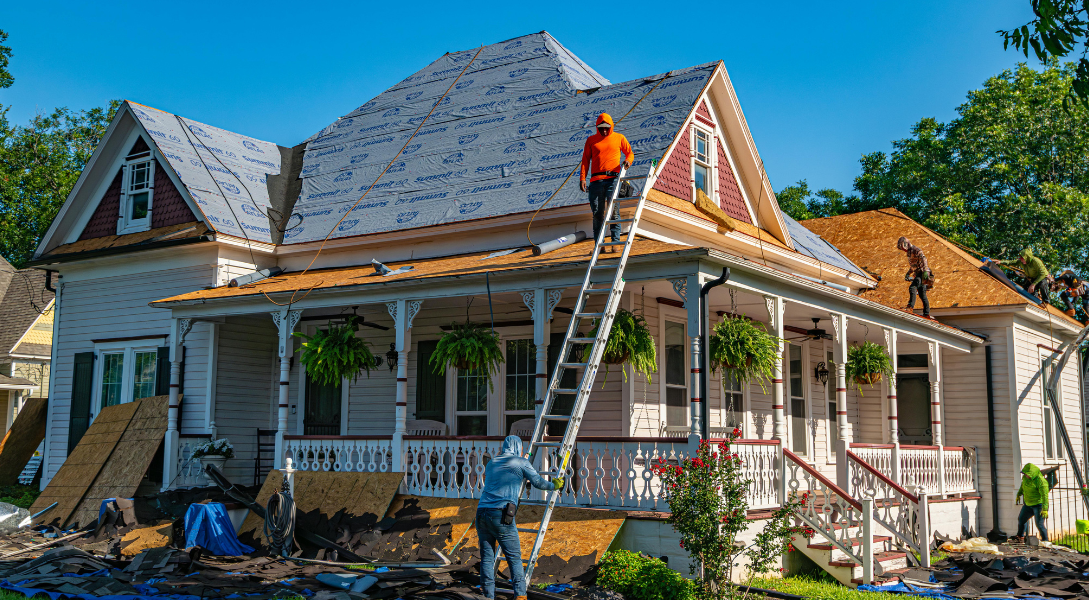
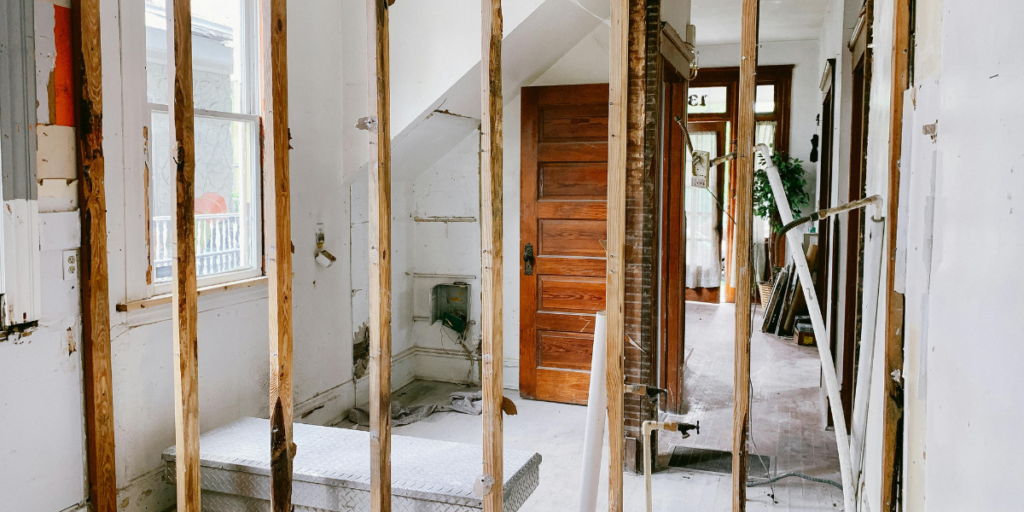
Many real estate investors are focusing on custom construction, remodeling, and renovation projects to increase property value and attract high-quality tenants. Renovations that improve functionality, design, and durability often lead to higher rental income and improved property marketability.
Popular renovation trends include modern kitchen upgrades, bathroom remodeling, outdoor living space improvements, and structural property upgrades. Investors who combine renovation projects with professional project management services can complete construction projects more efficiently while maintaining quality craftsmanship.
6. Rising Importance of Waterfront Property Management
Waterfront real estate continues to attract investors due to its high market demand and premium rental potential. However, waterfront property management requires specialized knowledge and maintenance planning.
Properties located near water require additional structural protection, weather-resistant construction, and shoreline maintenance. Investors must focus on moisture control, erosion protection, and storm-resistant building techniques. Professional property management teams with waterfront experience help investors protect assets and maintain property durability in challenging environmental conditions.
7. Data-Driven Property Management Decisions
Modern investors are relying on data analytics to improve property management performance. Advanced reporting tools provide insights into rental market trends, property expenses, tenant behavior, and occupancy rates. These data-driven decisions help investors identify opportunities to increase rental income and reduce operational costs.
Market analysis also helps investors set competitive rental pricing and identify profitable property improvement strategies. Real estate investors who use data analytics often achieve higher occupancy rates and better financial planning results.
8. Enhanced Tenant Experience and Customer Service
Tenant expectations are changing rapidly. In 2026, successful rental property management focuses heavily on tenant satisfaction and customer service. Tenants now expect fast maintenance responses, digital communication options, and convenient online payment systems.
Providing professional customer service improves tenant retention and reduces vacancy rates. Happy tenants are more likely to renew leases and maintain rental properties responsibly. Property management companies that prioritize communication and service quality build strong reputations and long-term client relationships.
9. Expansion of Full-Service Property Management Solutions
Investors are increasingly choosing full-service property management companies that offer maintenance, leasing, construction, and renovation services under one management system. This integrated approach simplifies property operations and improves efficiency.
Full-service property management reduces investor workload while ensuring professional oversight of maintenance, tenant relations, and construction projects. Investors benefit from consistent property care, streamlined communication, and improved project coordination.
10. Focus on Long-Term Investment Protection
Protecting long-term real estate investments is a top priority for property owners in 2026. Investors are focusing on structural durability, routine inspections, and strategic renovation planning. Combining professional property maintenance, construction services, and tenant management helps preserve property value and maximize financial returns.
Real estate investors who adopt proactive management strategies often experience improved asset protection and stable rental income. Long-term property planning ensures properties remain competitive in evolving rental markets.
FAQs
1. Why is professional property management important for real estate investors?
Professional property management helps investors handle tenant relations, maintenance coordination, rent collection, and lease management efficiently. It reduces stress while improving property profitability and operational performance.
2. How does preventative property maintenance benefit rental properties?
Preventative property maintenance reduces emergency repair costs, improves tenant satisfaction, and protects structural durability. Regular inspections help identify potential issues before they become expensive problems.
3. What role does tenant screening play in rental property management?
Tenant screening helps property owners select reliable tenants with strong payment history and rental records. It reduces vacancy rates, property damage risks, and lease violations.
4. Are energy-efficient construction upgrades worth the investment?
Yes, energy-efficient construction services and renovations reduce operating costs, increase property value, and attract environmentally conscious tenants. These upgrades often lead to long-term financial savings.
5. What makes waterfront property management different from traditional property management?
Waterfront property management requires specialized maintenance, weather-resistant construction, and shoreline protection. Waterfront properties face unique environmental challenges that require expert management strategies.
6. How can technology improve rental property management?
Technology automates rent collection, maintenance scheduling, lease tracking, and tenant communication. Smart property management tools help investors manage properties more efficiently and reduce administrative workload.
Staying informed about modern property management trends helps real estate investors adapt to changing market demands and maximize property performance. By focusing on professional management strategies, preventative maintenance, advanced construction solutions, and tenant satisfaction, investors can protect their assets and achieve long-term success in the competitive real estate industry.