
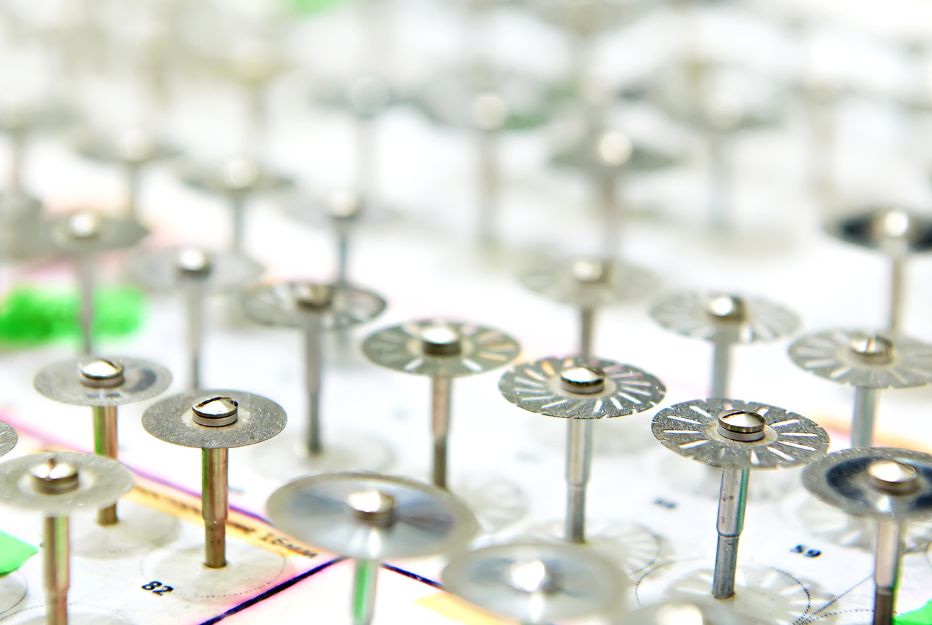
Grinding is an important step in many manufacturing and dental laboratory tasks. It helps shape materials, remove extra surfaces, and prepare items for further work. However, using the wrong grinding tool can lead to uneven results, wasted material, and extra work. This is why choosing the right Diamond Grinding Wheels matters.
Diamond grinding wheels use diamond particles on their working surface. Diamond is a very hard material, which makes it useful for grinding tough materials with care and control. These wheels come in different designs for different jobs.
Professionals should understand their material, equipment, and finishing needs before making a choice. This guide explains the main features to check, how grinding wheels affect results, and what buyers should consider when comparing available options.
1. Understand the Purpose of Diamond Grinding Wheels
Not every grinding wheel is made for the same task. Some are designed to remove material, while others help shape edges or create a smoother surface. Selecting a wheel without understanding its purpose can affect the quality of the work.
Match the Wheel to the Material
The material being worked on should guide the selection process. Diamond grinding wheels are used for suitable hard materials, including ceramics, glass, stone, and certain advanced materials. In dental and industrial applications, the correct wheel depends on the specific material and process.
For example, a wheel designed for one type of ceramic may not be suitable for every other material. Professionals should check the manufacturer’s product details to confirm the recommended use.
Consider the Type of Work
Grinding tasks can include shaping, surface correction, edge work, and finishing. Each task may require a different wheel design.
Moreover, the required finish matters. A task that needs quick material removal may require a different wheel from one that needs a smooth and even surface. Professionals should identify the job before selecting a product.
2. Check Important Features Before Buying
The design of a grinding wheel can affect how it performs. Size, grit, bond, and shape are important features that buyers should understand.
Choose the Correct Grit
Grit refers to the size of the abrasive particles on the wheel. Different grit sizes are used for different stages of grinding.
A coarser grit is generally used for faster material removal. A finer grit is often selected for smoother finishing. However, the right choice depends on the material, equipment, and desired result.
Choosing an unsuitable grit may create unwanted marks or make the process take longer. Therefore, professionals should follow the recommended grit range for their application.
Check Wheel Shape and Size
Diamond grinding wheels are available in different shapes and sizes. The correct design depends on the working area and the type of equipment being used.
A smaller wheel may be suitable for detailed work, while another shape may be better for a wider surface. The wheel must also fit the machine correctly.
Understand the Bond Type
The bond holds the diamond particles in place. Different bond types are designed for different grinding conditions and materials.
Professionals should review the product specifications instead of choosing a wheel based only on its appearance. Manufacturer guidance can help identify a suitable bond for the intended task.
3. Consider Safety, Compatibility, and Product Quality
A suitable grinding wheel must work well with the equipment and be handled correctly. These details are important for both performance and workplace safety.
Check Machine Compatibility
Before buying, professionals should check the wheel’s diameter, thickness, mounting style, and rated operating speed. The wheel must match the machine’s requirements.
Using an incompatible wheel can create serious safety risks. The manufacturer’s instructions should always guide installation and operation.
Look for Reliable Product Information
Product quality can affect the consistency of grinding work. Buyers should review details such as diamond concentration, wheel construction, recommended materials, and intended applications.
For professionals searching for Diamond Grinding Wheels in OH, clear product information can make it easier to compare available options. They should also confirm shipping details, technical guidance, and product availability directly with the supplier.
Follow Proper Handling and Maintenance
Even a suitable wheel needs proper care. Professionals should inspect it for visible damage before use and follow the manufacturer’s instructions for storage, cleaning, and operation.
Moreover, the recommended speed and pressure should always be followed. Excessive force or incorrect use can damage the wheel and affect the work surface. Suitable protective equipment and machine guards should also be used.
FAQs
Q: What Are Diamond Grinding Wheels Used For?
A: Diamond grinding wheels are used to grind, shape, and finish suitable hard materials. Their use depends on the wheel design and material being processed.
Q: How Does Grit Affect Grinding Results?
A: Coarser grit generally removes material faster, while finer grit is often used for smoother finishing. The correct grit depends on the task and material.
Q: How Can Professionals Choose Diamond Grinding Wheels in OH?
A: Professionals should compare product specifications, intended applications, grit, size, bond type, and machine compatibility. They should also confirm availability and delivery details with the supplier.
Q: How Long Do Diamond Grinding Wheels Last?
A: Their working life depends on the material, wheel quality, operating conditions, and maintenance. Following manufacturer instructions can help prevent unnecessary wear.
Final Thought
Choosing the right Diamond Grinding Wheels requires more than looking at price or appearance. Professionals should consider the material, type of work, grit, wheel shape, bond, and machine compatibility before buying.
However, careful selection is only one part of the process. Proper handling, regular inspection, and following operating instructions also help maintain safe and consistent results.
By checking these details, professionals can select grinding wheels that match their work requirements and help improve the quality of their finished products.