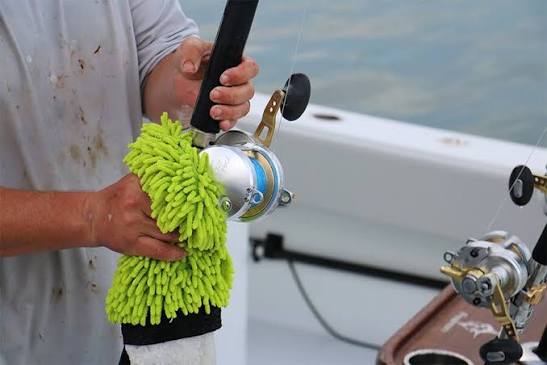
A fishing reel rarely stops working without warning. Long before it fails completely, it may begin producing unusual sounds, developing a rough retrieve, losing drag consistency, or showing signs of corrosion.
These problems are easy to ignore when the reel still appears usable. Unfortunately, waiting until it fails during a fishing trip can turn a small maintenance issue into an expensive repair.
Regular Fishing Reel Maintenance helps identify wear, contamination, and damaged components before they affect performance. Whether you fish occasionally or spend every weekend on the water, understanding how to care for your equipment can help protect your investment and reduce the risk of losing a fish because of mechanical failure.
Why Fishing Reels Need Regular Attention
A fishing reel contains gears, bearings, washers, springs, shafts, and other small components that must work together smoothly.
During normal use, the reel may be exposed to:
- Salt and moisture
- Sand and dirt
- Old or contaminated grease
- Fishing-line debris
- Repeated pressure on the drag
- Accidental drops or impacts
- Long periods of improper storage
Contaminants can gradually enter the reel and interfere with its internal parts. Lubricants may also break down over time, leaving gears and bearings with less protection.
This is why routine Fishing Reel Service matters even when the reel has not completely stopped working. Preventive attention can reveal early wear before it develops into a more serious mechanical problem.
Signs Your Fishing Reel May Need Service
Some reel problems appear suddenly, but many develop gradually.
Consider scheduling Fishing Reel Repair if you notice:
- Grinding, clicking, or squealing sounds
- A rough or uneven retrieve
- A handle that feels loose
- Drag that sticks, slips, or engages inconsistently
- An anti-reverse system that fails
- A spinning reel bail that does not close properly
- Reduced casting distance
- Visible rust or corrosion
- Excessive spool movement
- Difficulty turning the handle
- Salt deposits around the frame or spool
- Performance changes after the reel was dropped
- Water entering the reel
- A reel that has been stored for an extended period
Continuing to use a damaged reel can place additional pressure on related components. A worn bearing, for example, may affect the gears or shaft if the problem is left unaddressed.
A Fishing Reel Diagnostic Service can help identify the source of the issue instead of relying on guesswork.
Cleaning at Home Versus Professional Servicing
Basic care after a fishing trip is valuable, but it is different from professional internal servicing.
Home maintenance may include gently cleaning the exterior according to the manufacturer’s instructions, drying the reel, checking for visible damage, and storing it in an appropriate environment.
A professional Fishing Reel Cleaning Service goes much further. The technician may disassemble the reel so that internal parts can be cleaned and individually inspected.
This distinction is important because a reel can look clean on the outside while containing salt, grit, damaged grease, or corroded components internally.
Avoid spraying excessive lubricant into a reel without understanding where it should be applied. Too much oil or the wrong type of product may attract debris or interfere with the drag system. When in doubt, consult the reel manufacturer or an experienced technician.
What Happens During a Professional Reel Service?
The exact process may vary according to the reel’s design and condition. However, comprehensive Professional Fishing Reel Repair generally involves several important stages.
Initial Inspection
A Full Fishing Reel Inspection Service may evaluate the reel’s:
- Frame and side plates
- Handle and knobs
- Spool movement
- Drag performance
- Anti-reverse function
- Bail system
- Gears
- Bearings
- Line roller
- Level-wind system
- Electrical components, when applicable
The technician may also ask what happened before the problem appeared and whether the reel has been used in saltwater.
Complete Disassembly
A thorough service may require the reel to be carefully taken apart. This gives the technician access to areas that cannot be properly inspected from the outside.
Parts should be organized so that the reel can be correctly reassembled after cleaning and inspection.
Deep Cleaning
A Fishing Reel Deep Cleaning Service removes old grease, dirt, salt deposits, and other contaminants from internal components.
This stage can reveal corrosion, cracks, worn surfaces, and damaged parts that were previously hidden.
Lubrication
Following cleaning, a Fishing Reel Lubrication Service applies suitable grease or oil to the appropriate components.
Different areas may require different products and quantities. Bearings, gears, drag systems, and one-way clutch components should not automatically receive the same lubricant.
Parts Evaluation and Replacement
Damaged components may need to be replaced before the reel can perform reliably.
Common Fishing Reel Parts Replacement work may involve:
- Bearings
- Drag washers
- Handles
- Springs
- Gears
- Pawls
- Line rollers
- Screws
- Spools
- Anti-reverse components
Replacement parts should be compatible with the exact make and model of the reel.
Reassembly and Testing
After cleaning, lubrication, and repair, the reel is reassembled and tested. The technician may check the retrieve, drag, anti-reverse system, spool movement, bail operation, and other functions before returning it to the owner.
According to its published reel-service process, 4 Reel Services completely disassembles serviced reels, cleans individual components, inspects bearings for noise and binding, replaces worn or broken drag washers when needed, lubricates the reel, and performs a final inspection.
Drag Problems Should Not Be Ignored
The drag system helps control how line leaves the spool when a fish pulls against it. A smooth, predictable drag is especially important when fighting a strong fish on lighter line.
Signs that you may need Fishing Reel Drag System Repair include:
- Drag that sticks before releasing
- Sudden changes in resistance
- Drag that slips under pressure
- Difficulty adjusting the drag
- Jerky line movement
- Contaminated or worn drag washers
A damaged drag system can increase the chance of a broken line, pulled hook, or lost fish. Replacing worn washers and properly servicing the drag can help restore more consistent operation.
Bearings and Anti-Reverse Components
Bearings help reel components rotate smoothly. When they become contaminated, corroded, or worn, the reel may feel rough or noisy.
A Fishing Reel Bearings Replacement may be recommended when cleaning and lubrication cannot restore acceptable performance.
Bearings are available in different sizes, materials, tolerances, and designs. Stainless steel, one-way, and ceramic-hybrid bearings are not automatically interchangeable. The correct replacement depends on the reel model and intended application.
An unreliable anti-reverse system may also involve a one-way clutch bearing or related component. Professional Anti Reverse Reel Repair is important when the handle moves backward unexpectedly or fails to engage consistently.
Different Reels Require Different Repair Approaches
Fishing reels do not all use the same internal system. A technician should understand the design and service requirements of the reel being repaired.
Spinning Reels
A Spinning Reel Repair Service may address bail springs, line rollers, oscillation systems, drag washers, handles, spools, and anti-reverse mechanisms.
Problems such as uneven line placement, a sticking bail, or a rough retrieve should be inspected before they affect additional parts.
Baitcasting Reels
A Baitcasting Reel Repair Service may involve spool bearings, braking systems, pinion gears, level-wind mechanisms, drag components, and handles.
A baitcaster that suddenly loses casting distance or begins producing unusual spool noise may require cleaning, bearing service, or internal repair.
Conventional Reels
A Conventional Reel Repair Service may focus on heavy-duty gears, drag systems, clickers, handles, frames, and spool components.
These reels often operate under substantial loads, particularly during offshore or big-game fishing. Worn drag washers and damaged bearings can become serious performance problems when the reel is under pressure.
Electric and Power-Assisted Reels
Electric reels contain mechanical and electrical components. Troubleshooting may involve the motor, wiring, controls, power connections, gears, or replacement modules.
Because of this added complexity, electric reels should be evaluated by a technician familiar with the specific model.
Saltwater and Freshwater Reels Face Different Conditions
All reels need care, but saltwater creates an especially aggressive environment.
Saltwater Reels
Saltwater Fishing Reel Repair frequently involves corrosion, salt deposits, seized screws, contaminated bearings, and damaged internal surfaces.
Even reels marketed for saltwater use are not immune to neglect. Salt can remain in small openings and continue affecting components after the trip has ended.
Follow the manufacturer’s cleaning instructions after each saltwater outing and arrange professional servicing according to the reel’s use and exposure.
Freshwater Reels
Freshwater Fishing Reel Repair may involve sand, dirt, moisture, worn gears, damaged bail systems, old grease, and general mechanical wear.
Freshwater is less corrosive than saltwater, but that does not make the reel maintenance-free. Reels used frequently or stored in damp environments can still develop significant problems.
Brand-Specific Knowledge Matters
Manufacturers use different parts, specifications, drag systems, gear designs, and service procedures. A replacement component that fits one reel may not fit another model from the same brand.
A qualified provider may offer:
- Shimano Reel Repair Service
- Daiwa Reel Repair Service
- Penn Reel Repair Service
- Abu Garcia Reel Repair Service
- Avet and Accurate reel servicing
- Okuma and Quantum reel servicing
- Alutecnos, Maxel, Toadfish, and Tsunami reel servicing
- Electric reel and power-assist servicing
4 Reel Services lists authorized warranty, parts, or service relationships for several manufacturers and also provides repair services for additional brands, including Daiwa, Shimano, Alutecnos, and Avet. Its parts catalog includes brand-specific reel components, bearings, electric reel parts, and accessories.
Before sending a reel for service, provide its complete brand and model information. This helps the technician determine whether compatible parts remain available.
Should You Repair or Replace the Reel?
Repairing a reel can make sense when:
- The reel is high quality
- The frame remains structurally sound
- Replacement parts are available
- The repair cost is reasonable
- The reel has sentimental value
- The model is no longer produced
- A maintenance service could restore reliable performance
Replacement may be more practical when the frame is severely damaged, several expensive components have failed, parts have been discontinued, or the repair cost approaches the price of a suitable new reel.
A reputable Fishing Reel Repair Company should explain the problem, parts availability, and likely repair cost before completing extensive work.
Restoring Older Fishing Reels
Older reels are sometimes built with durable frames and mechanical systems that remain serviceable decades later.
Fishing Reel Restoration may include:
- Removing old grease and debris
- Treating surface corrosion
- Replacing bearings or bushings
- Servicing drag components
- Repairing handles
- Replacing missing hardware
- Restoring smooth mechanical operation
- Preserving original components when practical
A Like New Fishing Reel Restoration should be approached with realistic expectations. Cosmetic wear may remain, and discontinued parts can limit what is possible.
For valuable or sentimental reels, ask whether the objective is functional restoration, cosmetic improvement, or both before work begins.
Maintenance Before the Fishing Season
Do not wait until the night before a major trip to test your equipment.
A preseason Fishing Reel Tune Up Service provides time to identify problems, locate replacement parts, and complete repairs before the reel is urgently needed.
Before the season begins:
- Turn the handle and listen for unusual sounds
- Test the drag under controlled tension
- Check the anti reverse system
- Inspect the bail and line roller
- Look for corrosion
- Check handles and knobs for looseness
- Examine the spool and frame
- Test electronic functions on electric reels
- Confirm that frequently used reels have been serviced
The best time to repair a reel is before it is attached to a fish.
Choosing a Fishing Reel Repair Provider
Searching for Fishing Reel Repair Near Me may produce tackle shops, independent technicians, manufacturer centers, and general sporting goods stores.
Before selecting a provider, ask:
- Which reel brands do you service?
- Do you work on spinning, baitcasting, conventional, and electric reels?
- Is the reel completely disassembled during a full service?
- How are the parts cleaned?
- Will bearings and drag washers be inspected?
- Do you use original factory parts when available?
- Will you contact me if extra parts are required?
- What turnaround time should I expect?
- Is there a diagnostic or estimate fee?
- How will the reel be tested before return?
- Can I ship my reel to your facility?
The best Fishing Reel Repair Shop is not necessarily the one making the biggest promises. Look for a provider that communicates clearly, understands the reel type, uses suitable parts, and explains delays or limitations honestly.
Using a Mail-In Reel Repair Service
Anglers do not always have an experienced technician nearby. A Mail-in Fishing Reel Repair Service allows the reel to be shipped to a specialist instead of limiting the customer to local options.
Before shipping:
- Remove line if requested
- Record the reel’s brand and model
- Write down the specific problem
- Include your contact information
- Photograph the reel’s condition
- Protect the handle, spool, and frame
- Use adequate padding
- Choose a sturdy shipping box
- Use tracked shipping
- Review the provider’s instructions
A Nationwide Fishing Reel Service can be especially useful for uncommon, vintage, power-assisted, or electric models that a local shop may not handle.
Customers should always check the provider’s current shipping information before mailing equipment.
Fishing Reel Service in Boynton Beach and South Florida
Anglers seeking Fishing Reel Repair Boynton Beach Fl services can work directly with 4 Reel Services at its Boynton Beach facility.
The company has served the South Florida fishing community since 2004 and works on saltwater, freshwater, electric, power-assisted, and other reel types. Its official website states that it uses original manufacturer parts when available and contacts customers when required parts cause a delay.
For people looking for Fishing Reel Repair South Florida, the company also lists several official drop-off locations throughout the region on its drop-off page.
Customers outside the area can ship reels to the facility, making professional servicing accessible without visiting the shop personally.
Protect Your Reel Before It Fails
A reel is easy to overlook until something goes wrong. However, the drag, gears, bearings, handle, spool, and anti-reverse system all depend on regular care.
Cleaning the exterior after use, storing the reel properly, watching for performance changes, and arranging periodic professional service can help identify problems before the next trip.
4 Reel Services provides reel repair, complete cleaning, maintenance, factory parts, accessories, and shipped-in servicing from its Boynton Beach, Florida facility. The company works with many popular reel brands and services freshwater, saltwater, conventional, spinning, electric, and power-assisted equipment.
Whether your reel needs routine maintenance, a replacement bearing, drag-system work, or a complete overhaul, addressing the problem early can help keep your equipment ready when the next fish strikes.