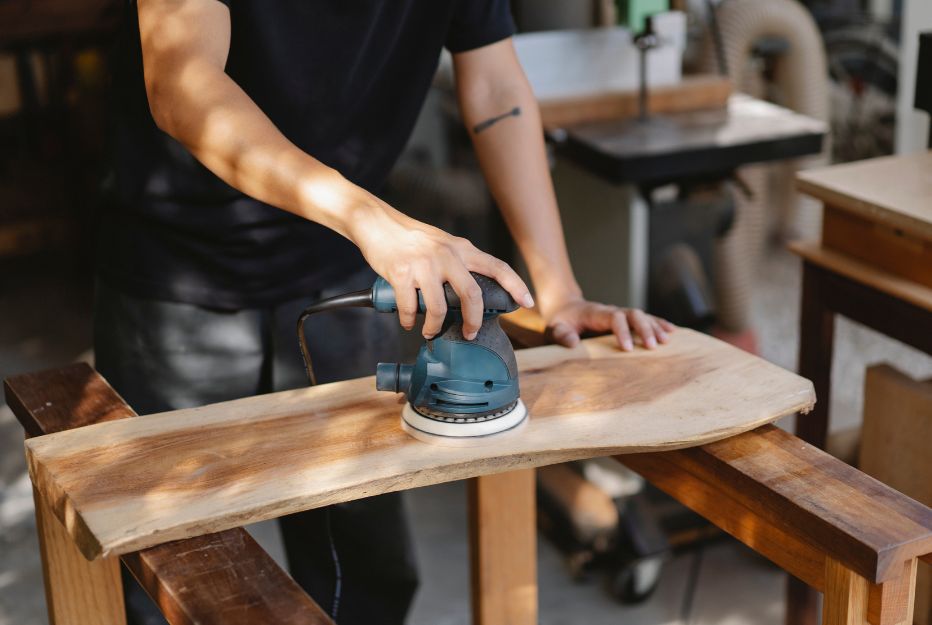
Getting a smooth, clean finish often depends on using the right tools. In workshops, dental labs, manufacturing plants, and other work settings, the wrong tool can lead to rough surfaces, wasted materials, and extra work. However, choosing the right equipment can make the process easier and help workers achieve more consistent results.
Grinding and Polishing Tools are used to shape surfaces, remove small marks, and create a smoother finish. Different tools are made for different materials and tasks, so it is important to understand their purpose before making a purchase.
Whether a buyer needs tools for metal, ceramics, or another suitable material, careful selection can save time and reduce mistakes. This guide explains what to consider, how to compare options, and how to choose tools that fit the job.
1. Understand the Job Before Choosing a Tool
The first step is to identify the material and the finish required. A tool that works well on one material may not be suitable for another. Therefore, buyers should understand the task before comparing products.
Identify the Material
Grinding and polishing may be used on materials such as metals, ceramics, and other hard surfaces. However, each material can respond differently to pressure, heat, and abrasive contact.
For example, a task that requires removing extra material may need a different abrasive product from one that requires a fine, smooth finish. Using the wrong option can leave scratches or damage the surface.
Buyers should check the product instructions to confirm that the tool is suitable for the material. They should also consider the size and shape of the workpiece, especially when working with small or detailed parts.
Choose the Right Level of Finish
Not every job needs the same surface finish. Some tasks require the removal of rough edges, while others need a smooth appearance with very few visible marks.
A coarse abrasive may help remove material quickly, while a finer abrasive is often used for later finishing steps. The correct choice depends on the material, the starting surface, and the final result required.
People looking for Grinding and Polishing Tools in OH should compare products based on the work they perform rather than choosing only by price. Clear product information can help buyers select tools that match their needs.
2. Compare Tool Quality and Compatibility
Once the task is clear, buyers should check product quality and make sure the tools work with their equipment. A tool that does not fit the machine or handle the material properly can create delays and safety concerns.
Check Size and Equipment Requirements
Grinding and polishing products come in different shapes, sizes, and designs. Some are made for hand tools, while others are intended for use with specific machines.
Before buying, workers should check the tool’s dimensions, connection type, operating speed limits, and manufacturer instructions. The product must be suitable for the equipment being used.
They should never assume that a tool will fit simply because it looks similar to another product. Compatibility information can help prevent poor performance and reduce the risk of equipment damage.
Look at Product Quality and Durability
Quality matters because grinding and polishing tools must perform under working conditions. Buyers should review product details, recommended uses, and any available guidance about tool life.
However, the most expensive product is not always the best choice for every job. A tool should match the work, expected use, and required finish. A product designed for frequent professional use may offer different benefits from one intended for occasional tasks.
Buyers comparing Grinding and Polishing Tools in OH can ask suppliers for help understanding product options. They should provide details about the material, equipment, and finish so the supplier can offer useful guidance.
3. Consider Safety, Cost, and Long-Term Value
Price is important, but it should not be the only factor in a buying decision. A suitable tool must also be safe to use, easy to maintain, and appropriate for the amount of work it will handle.
Follow Safety Instructions
Grinding and polishing can produce heat, dust, and small particles. Some tasks may also create noise or flying debris. Workers should follow the product and machine instructions and use the required protective equipment.
Depending on the task, protection may include safety glasses or a face shield, suitable hearing protection, and respiratory protection selected for the specific hazards. Equipment guards should remain in place, and tools should be checked for damage before use.
Workers should also confirm that the tool is approved for the machine’s operating speed. A damaged or unsuitable abrasive product should not be used.
Compare the Full Cost
A low purchase price may seem attractive, but the tool must also provide suitable performance for the job. Buyers should consider how often the tool will be used, how long it may last under proper conditions, and whether it helps reduce wasted material or repeat work.
Moreover, they should review replacement needs, storage requirements, and supplier availability. For businesses that use abrasive tools regularly, these details can affect long-term costs.
A simple checklist can help buyers compare products fairly.
- Does the tool suit the material?
- Can it create the required finish?
- Is it compatible with the machine?
- Are safety instructions available?
- Does the price fit the budget?
- Can the supplier explain the product’s intended use?
This approach helps buyers focus on value rather than making a decision based on one feature.
FAQs About Grinding and Polishing Tools
Q: What Are Grinding and Polishing Tools Used For?
A: They help remove material, smooth surfaces, reduce rough marks, and improve the finish of suitable workpieces. The right tool depends on the material and task.
Q: How Can Buyers Choose the Right Grinding and Polishing Tools?
A: Buyers should identify the material, required finish, equipment type, tool size, and operating needs before comparing products.
Q: Where Can Buyers Find Grinding and Polishing Tools in OH?
A: Buyers in Ohio can research abrasive product suppliers and manufacturers that serve their area. They should check product details and confirm availability directly with the supplier.
Q: Why Is Tool Compatibility Important?
A: A tool must match the equipment and its operating limits. Incorrect size or speed ratings can affect performance and may create safety risks.
Final Thought
Buying the right grinding and polishing equipment starts with understanding the job. Material type, required finish, tool compatibility, safety, and long-term cost all play a part in the final decision.
Grinding and Polishing Tools can help workers achieve suitable surface results when they select and use products according to the manufacturer’s instructions. However, choosing a tool without checking its intended use can lead to poor finishes, extra work, or equipment problems.
Buyers searching for Grinding and Polishing Tools in OH should compare options carefully and ask suppliers clear questions about their needs. By focusing on product suitability, quality, and safe use, they can make a more informed purchase and choose tools that fit their work.