The construction industry is evolving faster than ever, driven by new technology, sustainability demands, and changing property owner expectations. Today’s property owners and investors are not just looking for strong structures they want energy efficiency, smart functionality, and long-term value. Modern construction trends are reshaping both residential and commercial properties by improving durability, reducing maintenance costs, and enhancing overall property performance.
Whether you are a homeowner, real estate investor, or business owner, understanding these emerging construction services and building innovations can help you make smarter decisions when planning renovations, remodeling, or new development projects.
The Rise of Sustainable Construction
One of the biggest modern construction trends is the focus on sustainable and eco-friendly building practices. Property owners are increasingly choosing materials and designs that reduce environmental impact while lowering long-term operating costs.
Sustainable construction includes energy-efficient insulation, eco-friendly building materials, and solar energy integration. These improvements not only help reduce carbon footprints but also significantly lower energy bills for residential and commercial properties. Property management professionals are seeing increased demand for green construction because tenants and buyers prefer environmentally responsible properties.
Additionally, sustainable construction improves property value and helps owners meet modern building regulations. Many investors now consider eco-friendly upgrades essential when planning property improvement and renovation projects.
Smart Building Technology Integration
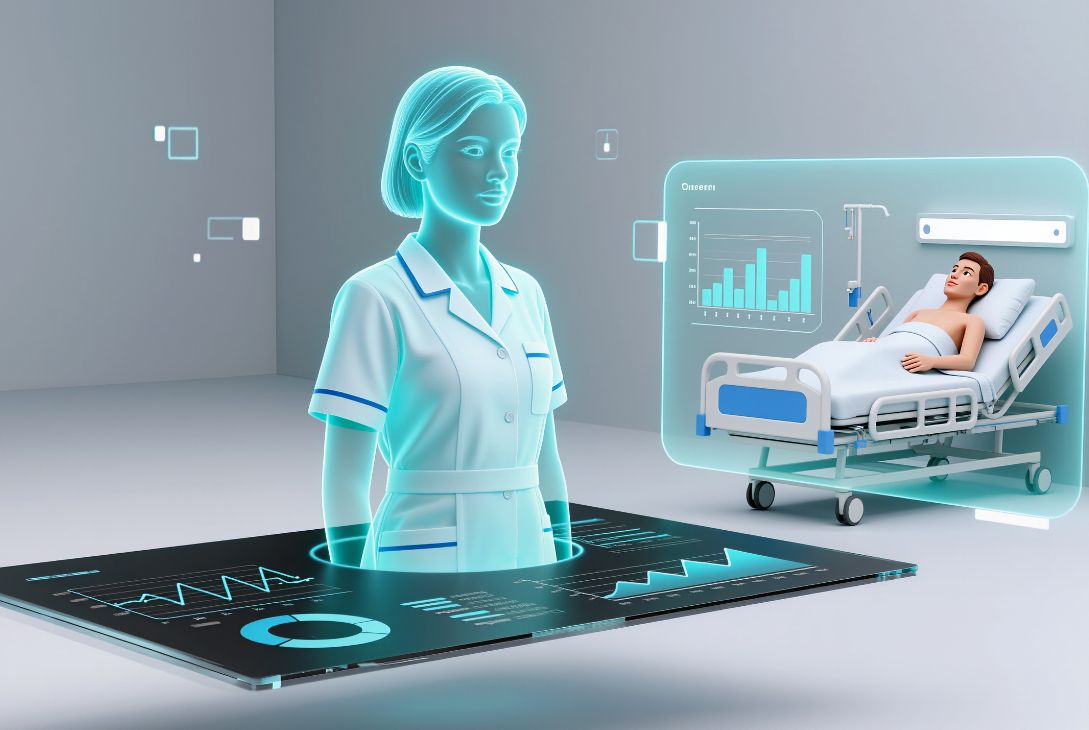
Technology is transforming the way properties are built and managed. Smart building technology is becoming a standard feature in both residential construction and commercial property development. From automated lighting systems to advanced security monitoring, technology is improving convenience and efficiency.
Smart home features such as climate control systems, remote property monitoring, and automated maintenance alerts help homeowners manage their properties more easily. In commercial properties, smart technology supports energy management, tenant comfort, and security systems.
For property management companies, smart building integration simplifies rental property management and preventative maintenance. Automated systems can detect issues like plumbing leaks or electrical problems before they become costly repairs, helping property owners protect their investments.
Modular and Prefabricated Construction Growth
Another major trend transforming the construction industry is modular and prefabricated building methods. This approach involves constructing building components off-site and assembling them at the final location.
Prefabricated construction reduces project timelines, lowers labor costs, and improves construction quality. Because materials are manufactured in controlled environments, builders can reduce waste and increase efficiency. Many residential and commercial construction projects now use prefabricated elements to accelerate development without sacrificing quality craftsmanship.
Property developers and investors are increasingly choosing modular construction services because it allows faster property expansion and quicker rental property availability.
Emphasis on Energy-Efficient Designs
Energy efficiency has become a top priority in modern construction and property maintenance planning. New building designs focus on maximizing natural lighting, improving ventilation systems, and using advanced insulation materials.
Energy-efficient construction helps property owners reduce operating expenses while improving tenant satisfaction. Commercial property owners benefit from lower utility costs, while residential homeowners enjoy more comfortable living environments.
Construction company Near me now incorporate energy-efficient windows, roofing systems, and HVAC technologies to improve property performance. These upgrades also contribute to long-term asset preservation and support sustainable property management strategies.
Durable and Weather-Resistant Building Materials
Modern construction trends also focus heavily on durability and weather resistance, especially for waterfront property management and coastal real estate development. Property owners want structures that can withstand extreme weather conditions, moisture exposure, and environmental damage.
Advanced building materials such as reinforced concrete, weather-resistant coatings, and corrosion-resistant metals improve structural durability and reduce long-term property maintenance requirements. These materials are particularly valuable for commercial buildings and waterfront properties where environmental exposure is higher.
Investing in durable construction materials helps reduce repair costs and extends the lifespan of residential and commercial properties, making them more attractive to buyers and tenants.
Multi-Functional Property Design
Modern construction is moving toward flexible and multi-functional property design. Residential properties now include home offices, entertainment areas, and adaptable living spaces to meet changing lifestyle demands. Commercial properties are also adopting flexible layouts that can accommodate different business operations.
Multi-functional design improves property usability and increases rental property demand. Property management professionals often recommend flexible construction planning because it helps properties remain competitive in evolving real estate markets.
Adaptable construction designs allow property owners to modify spaces without major renovation costs, improving long-term property investment value.
Preventative Maintenance Integration
Preventative maintenance is becoming an essential part of modern construction planning. Builders now incorporate maintenance-friendly designs that make inspections, repairs, and upgrades easier and more cost-effective.
Property maintenance strategies often include accessible plumbing systems, durable roofing materials, and smart monitoring tools that support ongoing property inspections. These improvements help property owners reduce emergency repair costs and maintain consistent property performance.
Preventative maintenance planning also improves tenant satisfaction and helps rental property management teams operate more efficiently.
Advanced Construction Project Management
Project management technology is transforming construction services by improving communication, scheduling, and cost control. Modern project management tools allow builders, property managers, and investors to monitor construction progress in real time.
Efficient project management reduces delays, prevents budget overruns, and ensures construction projects meet quality standards. Property owners benefit from improved transparency and faster project completion timelines.
Advanced project management strategies also support remodeling and renovation projects, helping property owners modernize properties while maintaining structural safety and regulatory compliance.
Increased Demand for Custom Construction
Custom construction is becoming increasingly popular among homeowners and commercial property developers. Property owners want personalized building designs that match their specific needs, aesthetic preferences, and investment goals.
Custom construction services allow flexibility in design, material selection, and property layout. Many investors choose custom construction to create unique residential properties or specialized commercial spaces that attract tenants and increase property value.
By combining modern construction techniques with personalized design solutions, builders can create high-quality structures that stand out in competitive real estate markets.
The Future of Modern Construction
The construction industry will continue evolving as technology advances and sustainability requirements grow. Property owners who invest in modern construction services, energy-efficient designs, and smart building technology will benefit from improved property performance and long-term investment growth.
Modern construction trends are not only transforming how buildings are created but also how properties are managed and maintained. Residential and commercial property owners who embrace these innovations can reduce costs, improve tenant satisfaction, and maximize property value.
FAQs
What are modern construction trends?
Modern construction trends include sustainable building practices, smart building technology, modular construction, energy-efficient designs, and durable building materials that improve property performance and reduce maintenance costs.
Why is sustainable construction important?
Sustainable construction helps reduce environmental impact, lowers energy costs, improves property value, and supports long-term asset preservation for residential and commercial properties.
How does smart building technology help property management?
Smart technology allows automated maintenance alerts, remote monitoring, energy management, and improved security systems, helping property owners manage rental properties more efficiently.
What is modular construction?
Modular construction involves building property components off-site and assembling them on location. This method reduces construction timelines, improves quality control, and lowers project costs.
How does energy-efficient construction benefit property owners?
Energy-efficient construction reduces utility expenses, improves tenant comfort, and increases property value, making it a smart investment for both residential and commercial property owners.
Why is preventative maintenance important in construction?
Preventative maintenance reduces repair costs, improves property durability, and helps property owners maintain consistent building performance over time.