Building a healthcare facility requires careful planning, strong materials, and a clear understanding of how medical spaces work. Hospitals, clinics, and medical offices must provide safe and comfortable environments for patients, doctors, nurses, and other staff. Poor planning can lead to delays, costly repairs, and spaces that do not meet the needs of healthcare teams.
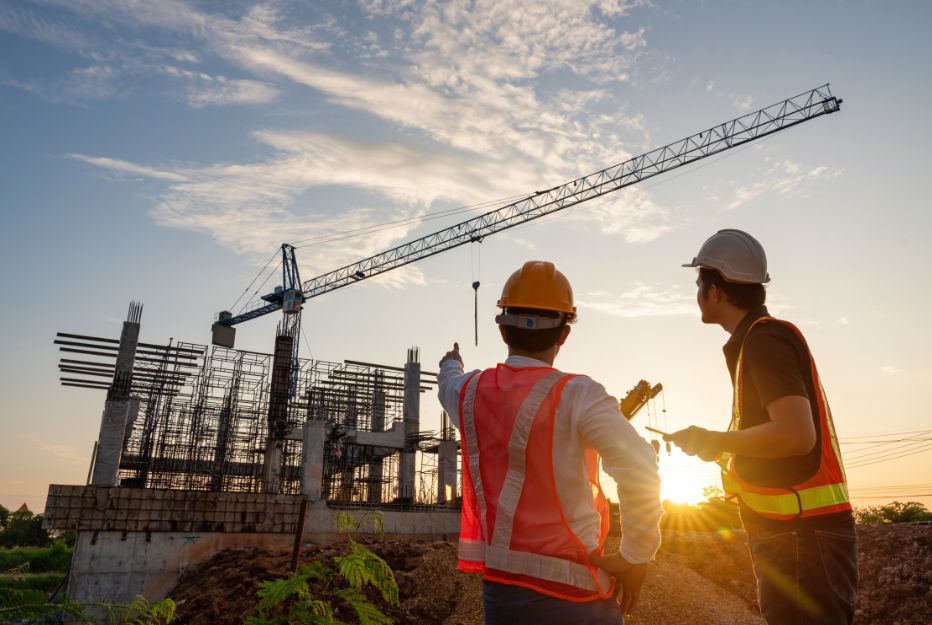
A skilled Medical Construction Contractor helps bring a healthcare building project from the planning stage to completion. The contractor works with owners, designers, engineers, and other professionals to create a space that supports daily medical work.
For businesses planning Medical Construction in Boca Raton, choosing the right contractor is an important first step. Understanding safety, building design, and project management can help owners make better decisions and create a facility that serves patients well.
1. Plan the Healthcare Facility Around Safety
Safety is one of the most important parts of medical construction. Healthcare buildings serve people who may be sick, injured, or unable to move easily. Their design must support safe movement, clean spaces, and reliable building systems.
Create Spaces That Support Patient Care
A healthcare facility should be planned around the needs of patients and medical staff. The layout may include examination rooms, treatment areas, waiting rooms, staff workspaces, and storage areas.
A Medical Construction Contractor can help organize these spaces so that staff can move between rooms easily. Clear hallways, suitable doors, accessible entrances, and well-planned waiting areas can improve movement throughout the building.
Moreover, the layout should match the type of care provided. A small medical office may need a different design from a large treatment center. Planning these needs early can help reduce changes during construction.
Follow Building and Safety Requirements
Medical buildings may need to meet local building codes, fire safety rules, accessibility standards, and other requirements. The exact rules depend on the facility, its services, and its location.
Contractors should work with qualified designers and engineers to identify the requirements that apply to the project. They should also coordinate the permits and inspections required by local authorities.
For Medical Construction in Boca Raton, owners should confirm that the project team understands the applicable city, county, Florida, and other relevant requirements. This step helps reduce the risk of costly corrections later.
2. Build Modern Spaces With Reliable Systems
A modern healthcare facility needs more than attractive walls and floors. It also needs building systems that support daily operations and provide a comfortable environment for patients and staff.
Choose Suitable Materials and Equipment
The materials used in a medical building should match the way each space will be used. Floors, walls, doors, and work surfaces may need to handle frequent cleaning, regular use, and different types of equipment.
For example, a treatment room may require different finishes from a public waiting area. Materials should be selected with durability, cleaning needs, and safety in mind.
A Medical Construction Contractor can coordinate with the design team and project owner to help ensure that selected materials fit the facility’s intended use. However, the final choices should follow the relevant design plans, product requirements, and health and safety rules.
Plan Electrical, Plumbing, and Air Systems
Healthcare facilities depend on reliable electrical, plumbing, heating, ventilation, and air conditioning systems. Some facilities may also require backup power, special medical equipment connections, or specific air control systems.
These systems should be planned early and coordinated with the building layout. For example, medical equipment may need specific power connections, while treatment rooms may have special ventilation needs.
Moreover, the building team should consider future maintenance and access to important systems. Proper planning can make repairs easier and help reduce disruption to medical services.
3. Manage the Project With Clear Communication
Even a well-designed healthcare building can face problems if the project is poorly managed. Delays, unclear instructions, and unexpected costs can affect the opening date and the owner’s budget.
Set a Clear Schedule and Budget
Before construction begins, the project team should develop a realistic schedule and budget. These plans should account for design work, permits, materials, labor, inspections, and any special equipment needs.
A Medical Construction Contractor helps coordinate construction activities and track progress against the project plan. Regular updates allow owners to understand what has been completed and which tasks come next.
However, some changes may still occur because of permit reviews, material availability, or conditions discovered at the site. A clear process for reviewing changes can help the team understand how they affect the schedule and cost.
Inspect the Work Before Opening
A healthcare facility should be checked carefully before patients begin using it. The project team should review completed work, test building systems, and address any issues found during inspections.
Depending on the project, this may include checking doors, lighting, plumbing, ventilation, emergency systems, and equipment connections. Required inspections and approvals must also be completed before the facility opens.
For Medical Construction in Boca Raton, owners should ask how the contractor manages quality checks, documents completed work, and handles problems found near the end of the project.
Clear communication and careful inspections help confirm that the finished space matches the approved plans and intended use.
FAQs About Medical Construction Contractors
Q: What Does a Medical Construction Contractor Do?
A: A Medical Construction Contractor manages construction activities for healthcare spaces, coordinates with project professionals, tracks progress, and helps ensure the work follows approved plans and applicable requirements.
Q: Why Is Medical Construction Different From General Construction?
A: Medical buildings may need special room layouts, equipment connections, ventilation systems, accessible spaces, and safety measures. These needs require careful planning and coordination.
Q: What Should Owners Look for When Hiring a Medical Construction Contractor?
A: Owners should review relevant project experience, licenses where required, insurance, references, communication practices, project schedules, and cost details before choosing a contractor.
Q: How Can Owners Prepare for Medical Construction in Boca Raton?
A: Owners can start by defining the facility’s purpose, setting a budget, reviewing site needs, and speaking with qualified design and construction professionals about permits and local requirements.
Final Thought
A safe and modern healthcare facility begins with careful planning and the right construction team. From creating practical room layouts to coordinating building systems, managing costs, and checking completed work, each step helps prepare the space for its intended purpose.
Choosing an experienced Medical Construction Contractor can help owners manage the many details involved in building a clinic, medical office, or other healthcare facility. For Medical Construction in Boca Raton, clear communication and knowledge of local requirements are especially important.
Oceanview Building Group provides a starting point for owners exploring medical facility construction services. By discussing project needs, reviewing experience, and setting clear expectations, owners can take informed steps toward creating a healthcare space that supports patients, staff, and daily operations.