Choosing a massage should not feel confusing, but the number of available techniques can make it difficult to know where to begin.
Two of the most common choices are Swedish massage and deep tissue massage. Both involve working with the body’s soft tissues, but they differ in pressure, pace, purpose, and overall experience.
Understanding Swedish Massage Vs Deep Tissue Massage can help you choose a session based on what your body needs rather than selecting the most familiar name on the service menu.
What Is Swedish Massage?
Swedish massage generally uses smooth, flowing movements with light-to-moderate pressure. The therapist may combine long strokes, gentle kneading, circular motions, and other techniques to create a calming experience.
It is often chosen by people whose main goals include:
- General relaxation
- Temporary stress reduction
- Light muscle tension relief
- A calmer full-body experience
- Becoming comfortable with massage
- Taking time away from a demanding routine
Someone searching for Swedish Massage Near Me may be looking for a relaxing wellness session rather than intense or highly focused bodywork.
Swedish massage can still address areas of tension, but the overall pace and pressure are usually gentler than deep tissue work.
What Is Deep Tissue Massage?
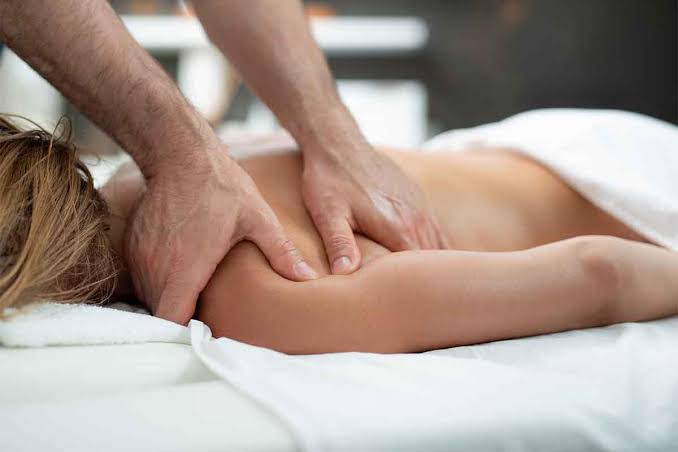
Deep tissue massage uses slower, more focused pressure to work with deeper layers of muscle and connective tissue. The therapist may spend more time on specific areas where the client feels tightness, soreness, or restricted movement.
It is commonly selected by people who experience:
- Persistent muscle tightness
- Tension caused by repetitive activity
- Postural discomfort
- Exercise-related soreness
- Tight shoulders or upper back
- Stiffness from prolonged sitting
- Specific areas that need focused attention
People looking for Deep Tissue Massage Near Me should understand that deeper work does not mean the session should be painfully intense. Pressure should be adjusted according to comfort, sensitivity, health history, and individual goals.
If a technique feels sharp, overwhelming, or wrong, the client should tell the therapist immediately.
The Main Differences Between the Two Techniques
Both approaches can be valuable, but they are designed around different experiences.
Pressure
Swedish massage commonly uses lighter or moderate pressure. Deep tissue massage generally uses firmer and more focused techniques.
However, these are not fixed rules. A Swedish session may include attention to a tight area, while deep tissue work can be adjusted for someone who prefers moderate pressure.
Pace
Swedish massage usually follows a smooth and continuous rhythm. Deep tissue sessions may move more slowly because the therapist spends additional time working with particular muscle groups.
Primary Goal
Swedish massage is often associated with relaxation and general wellness. Deep tissue massage is more commonly selected when a person wants focused work on specific areas of tension.
Session Experience
A Swedish session may feel like a calming reset for the whole body. Deep tissue work may feel more targeted and active, with the therapist regularly checking pressure and comfort.
Neither option is automatically better. The right choice depends on your body and your reason for booking.
When Swedish Massage May Be a Better Choice
Swedish massage may suit you if you:
- Are receiving massage for the first time
- Prefer lighter pressure
- Want time to relax and disconnect
- Feel generally tense rather than having one specific concern
- Do not enjoy intense bodywork
- Want a gentle wellness experience
For people managing a demanding week, Massage For Stress Relief may provide a quiet environment where they can slow down and feel physically supported.
According to Mayo Clinic, massage may help reduce stress, lessen muscle tightness, and increase relaxation. It should still be viewed as a complementary wellness practice rather than a replacement for medical or mental health care.
When Deep Tissue Massage May Be a Better Choice
Deep tissue work may be suitable if you:
- Prefer firmer pressure
- Have specific areas of tightness
- Perform repetitive physical tasks
- Exercise regularly
- Spend long hours sitting
- Experience recurring muscle soreness
- Want focused attention instead of a relaxation-only session
One of the commonly discussed benefits of deep tissue massage is its targeted approach. The therapist can spend more time working around areas that feel restricted or overworked.
However, deep pressure is not appropriate for every person. Clients with certain health conditions, injuries, medications, or sensitivity concerns may need lighter techniques or medical guidance before receiving massage.
Do You Need a Full-Body or Focused Session?
Choosing between a Full Body Massage and a focused session depends on your goals.
A full-body approach may be useful if you feel generally tired, stressed, or tense. It allows the therapist to work across multiple areas while maintaining a balanced flow.
A focused session may be more appropriate when one or two areas require additional attention. For example, someone who spends the day typing may want more time dedicated to the neck, shoulders, arms, and upper back.
A session can also combine both approaches. The therapist may begin with broader relaxation work before spending additional time on specific areas.
Massage for Muscle Soreness
Physical activity, unfamiliar exercise, demanding work, and repetitive movements may leave muscles feeling sore.
Massage For Muscle Soreness may be incorporated into a recovery routine, but the pressure and timing should be considered carefully. A very intense session may not be suitable immediately after strenuous exercise or when the muscles are highly sensitive.
Tell your therapist:
- What activity caused the soreness
- When the soreness began
- Whether an injury occurred
- Which movements feel uncomfortable
- How much pressure you normally prefer
Sharp, severe, or unexplained pain should be assessed by a healthcare professional before receiving massage.
Massage for Office Workers
Long periods at a desk may contribute to tight hips, rounded shoulders, upper-back tension, and neck stiffness.
Massage For Office Workers may focus on areas affected by sitting, typing, mobile-device use, and limited movement throughout the day.
Massage may feel helpful, but it works best as part of a broader wellness routine that may also include:
- Regular movement breaks
- Appropriate desk positioning
- Comfortable screen height
- Shoulder and wrist relaxation
- Gentle stretching
- Strength and mobility exercises recommended by a professional
Massage can support comfort, but it cannot correct an unsuitable workstation or replace appropriate medical care.
Massage for Active Individuals
Exercise places repeated demands on muscles and connective tissue. Different activities also create different patterns of tightness.
Runners may want focused attention for their legs and hips, while weightlifters may feel tension across the shoulders, back, or chest. Recreational athletes may simply want time to relax after a demanding training week.
Massage For Athletes should be based on the person’s sport, recent activity, current soreness, and recovery goals.
Inform your therapist about competitions, injuries, training volume, and any areas that should be avoided. The most intense pressure is not necessarily the most productive choice.
Why Customization Matters
Massage categories are useful starting points, but no two clients require exactly the same session.
Customized Massage Therapy may combine elements of Swedish and deep tissue work based on how different areas of the body respond. A therapist might use gentle pressure around sensitive areas and firmer techniques where the client feels comfortable receiving focused work.
Customization may also involve:
- Spending additional time on selected areas
- Avoiding an injury or sensitive location
- Adjusting pressure during the session
- Changing positioning for comfort
- Adding assisted stretching
- Incorporating reflexology or cupping when appropriate
Your preferences can also change from one visit to the next. A technique that suited you after a demanding workout may not be what you need during a stressful week.
The Importance of Communication
A massage session should be collaborative.
Before the appointment begins, explain your goals, relevant health information, and preferred pressure. During the session, tell the therapist if you need an adjustment.
An Experienced Massage Therapist should welcome feedback about:
- Pressure
- Positioning
- Room temperature
- Sensitive areas
- Techniques you dislike
- Areas you do not want touched
- Any discomfort during the session
You should never feel obligated to tolerate painful pressure. Clear communication allows the therapist to respond to your comfort and create a more appropriate experience.
Signs It May Be Time to Schedule a Session
There is no single checklist that applies to everyone, but common Signs You Need A Massage may include feeling generally tense, wanting dedicated relaxation time, experiencing muscle soreness after activity, or noticing stiffness associated with a repetitive routine.
A massage may also be a helpful wellness choice when you want to slow down and become more aware of how your body feels.
Symptoms such as severe pain, numbness, weakness, unexplained swelling, fever, or pain following a serious injury require medical evaluation rather than a routine massage appointment.
How Frequently Should You Book?
People often ask, How Often Should You Get A Massage? There is no universal answer.
Frequency may depend on:
- Your goals
- Activity level
- Work routine
- Budget
- Stress levels
- Response to previous sessions
- Existing health conditions
- Advice from healthcare professionals
Some people schedule sessions occasionally, while others prefer weekly, biweekly, or monthly appointments. A therapist can help you discuss a reasonable schedule but should not pressure you into booking more frequently than you need.
What Does Therapeutic Massage Mean?
The term Therapeutic Massage does not refer to only one technique. It generally describes massage that is selected and adapted around a particular wellness objective.
A therapeutic session may use Swedish movements, deep tissue pressure, stretching, or focused work according to the client’s preferences.
The purpose is not to promise a medical cure. It is to create an intentional session based on the client’s comfort, concerns, and wellness goals.
How to Choose a Massage Provider
When searching for the Best Therapeutic Massage Near Me, avoid making your decision based only on price or promotional claims.
Consider whether the provider:
- Explains the available services clearly
- Asks about health history and session goals
- Adjusts pressure based on feedback
- Maintains a clean and professional environment
- Respects personal boundaries
- Provides realistic information
- Has suitable training for the techniques offered
- Encourages clients to seek medical care when appropriate
A high-quality Professional Massage experience should make you feel informed, comfortable, and respected from the consultation through the end of the session.
When to Consult a Healthcare Professional
Massage is generally considered low risk when performed appropriately, but it may not be suitable in every situation.
Speak with a qualified healthcare provider before receiving massage if you have concerns involving:
- Blood clots
- Bleeding disorders
- Blood-thinning medication
- Recent surgery
- Open wounds
- Burns
- Fractures
- Severe osteoporosis
- High-risk pregnancy
- Serious illness
- Unexplained or worsening pain
Massage should complement responsible healthcare rather than delay diagnosis or treatment.
Choosing Your Massage in Leesburg
Swedish and deep tissue massage both have a place within a balanced wellness routine. The right option depends on whether you want gentle relaxation, focused muscle work, or a combination of both.
A qualified Massage Therapist In Leesburg can discuss your goals and adjust the techniques, pressure, and areas of focus accordingly.
The Wellness Loft Co offers Swedish massage, deep tissue massage, reflexology, cupping, assisted stretching, and other holistic services in Leesburg, Virginia. Each session can be shaped around your comfort, lifestyle, and personal wellness preferences.
You do not need to know exactly which technique to choose before booking. Begin by identifying how you want to feel after the session, communicate openly with your therapist, and allow your experience to guide the approach.